
Gina Gionfriddo on Becky Shaw's Broadway Breakthrough and Her First Tony Nomination
The Tony-nominated playwright discusses divisive characters, shifting audience allegiances and finding humor in uncomfortable truths

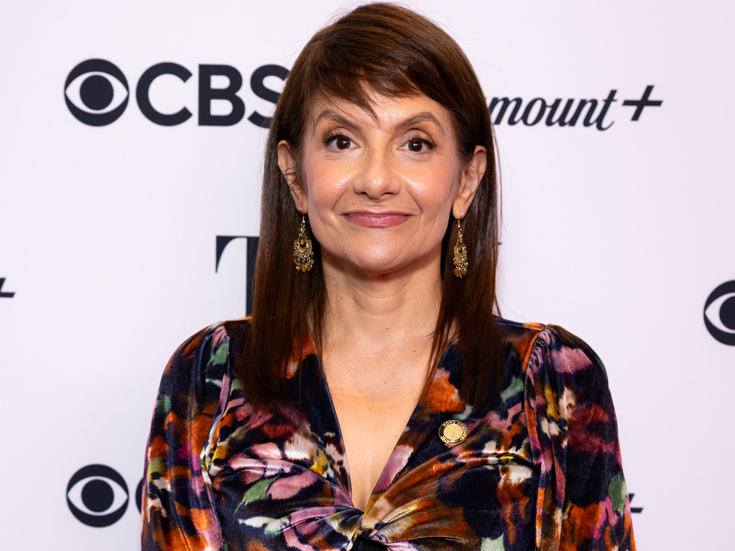
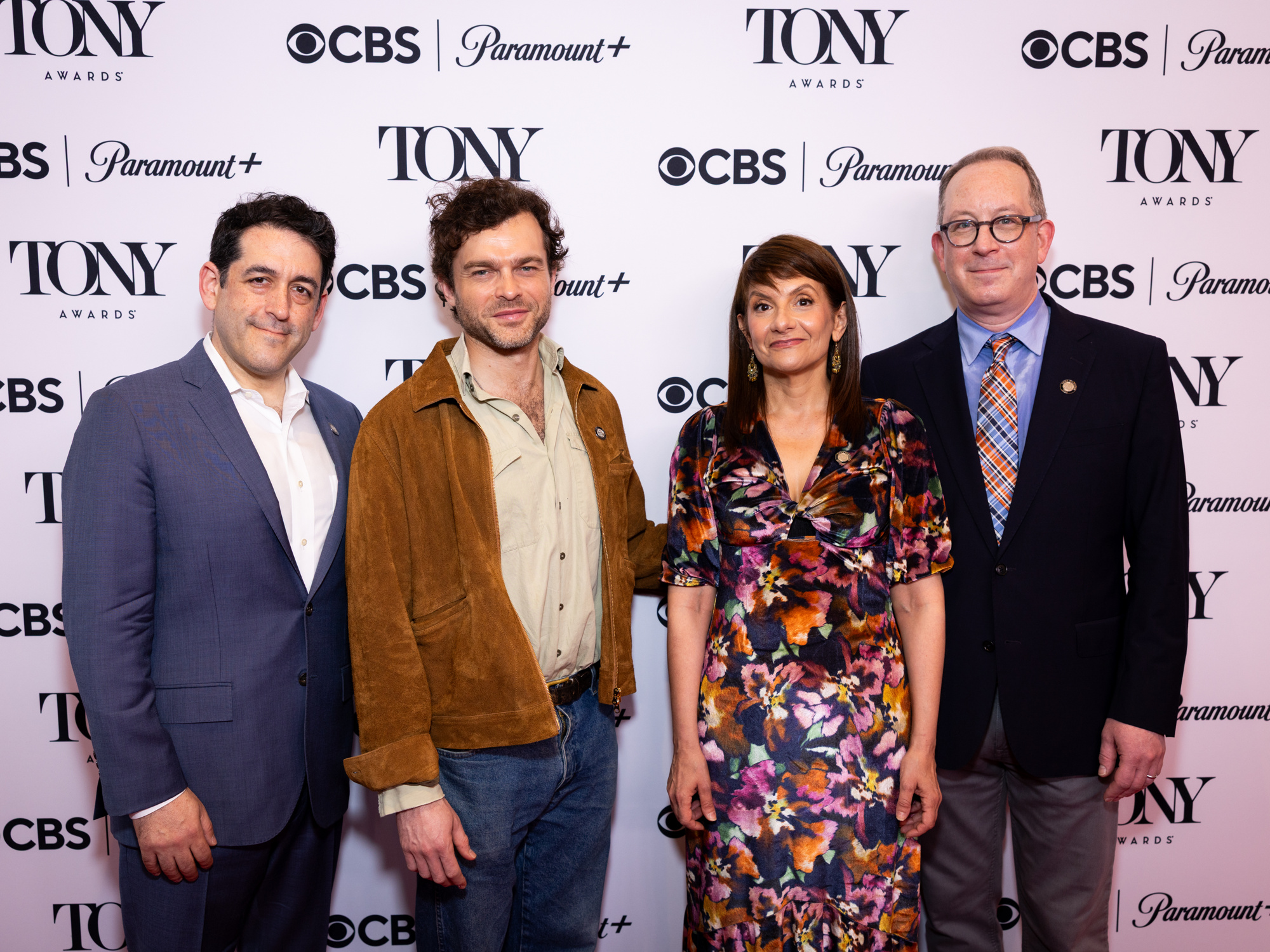
(Photo by Sergio Villarini for Broadway.com)
What to Know
- Tony nominee Gina Gionfriddo discusses Becky Shaw's Broadway debut, dark comedy and the moral gray areas that fuel her writing
- The playwright shares how Madeline Brewer, Alden Ehrenreich, Lauren Patten and the revival's cast helped reimagine the acclaimed comedy for a new generation
- Gionfriddo also previews upcoming projects, including her stage adaptation of The Silence of the Lambs premiering in the U.K. this summer
Two-time Pulitzer Prize for Drama finalist Gina Gionfriddo's latest milestone for Becky Shaw is a Tony Award nomination. The revival of her 2008 work marks the playwright's Broadway debut. Featuring 2026 Tony nominee Alden Ehrenreich as Max, Madeline Brewer as Becky Shaw, Patrick Ball as Andrew, Linda Emond as Susan and Lauren Patten as Suzanna, Becky Shaw runs through June 14 at Second Stage's Hayes Theater.
The razor-sharp dark comedy first opened off-Broadway in 2009, and since then, Gionfriddo has produced Rapture, Blister, Burn (a 2013 Pulitzer finalist), 2016's Can You Forgive Her? and The Silence of the Lambs stage adaptation premiering this August in the U.K. She also works as a television writer, with credits including FBI: Most Wanted, House of Cards, Law & Order, Cold Case and The Alienist.
Gionfriddo spoke to Broadway.com about her inspiration and writing process, exploring gray areas and putting together the perfect cast to breathe new life into this revival.
Congratulations on your Tony nomination! How are you feeling?
We're having a lot of fun. It's nice to see Alden recognized, and it's incredibly nice to see Second Stage having this much success in [Artistic Director] Evan [Cabnet]'s first season.
What draws you to dark humor and circumstances?
The plays that most influenced me and the plays that really got me excited about writing were the plays that came out of the AIDS crisis, many of which were very dark comedies. Nicky Silver's play Pterodactyls was huge for me; Paula Vogel's The Baltimore Waltz. And I think that in the dark periods in my own life, laughter has been a way to buoy myself. So I really responded to plays in which people were doing that. I think that's my natural bent.
And why do you enjoy writing messy people?
I'm super interested in gray areas. I need to not know the answers when I start a play, so that I can have fun in the process of getting there. I don't know who said this, but there's a quote, "I write to find out what I think." I love the tug of war in my head about who is right and who is wrong. If I know going into the writing, if I have all the questions answered, I'm not going to stay interested.
But now you know?
I really see everyone's point of view as valid in the play, and I think that's what kept me interested. I feel that Max is not wrong to feel that Becky is asking too much of him, but she is also not wrong to be asking for something. I have empathy for everyone's position in the play.
"I love the tug of war in my head about who is right and who is wrong."
—Gina Gionfriddo
Unlikeable characters are more delicious, but it’s not often you see a work where every character is unlikeable at times. Was that something you were worried about in attracting audiences?
We did the play for the first time at Actors Theater of Louisville in the Humana Festival [of New American Plays]. I clearly recall in that rehearsal process, the director and I being very concerned that the audience was just going to hate Max. Then we got into previews and we were really, really shocked that the audiences seemed to be behind him, in some cases to the exclusion of other characters. That was a big surprise, and I think what that taught me is you can't predict. I've heard from the actors, specifically from Alden and Maddie [Brewer] who play Max and Becky, that it can vary night to night which one the audience is siding with. But I don't really think about it in writing plays. I maybe should think about it more. The last play I wrote that was up in New York was Can You Forgive Her? and the reception was rough, I think because people found the main character incredibly unlikable. Why her and not the characters in Becky Shaw, I'm not sure. I think that if you don't like them, but they're fun, you forgive a lot.
Were you involved with the casting at all?
I was very involved in the casting, and I hadn't really expected to be. I was very pleasantly surprised that I was as big a part of it as I wound up being.
Can you speak to that process?
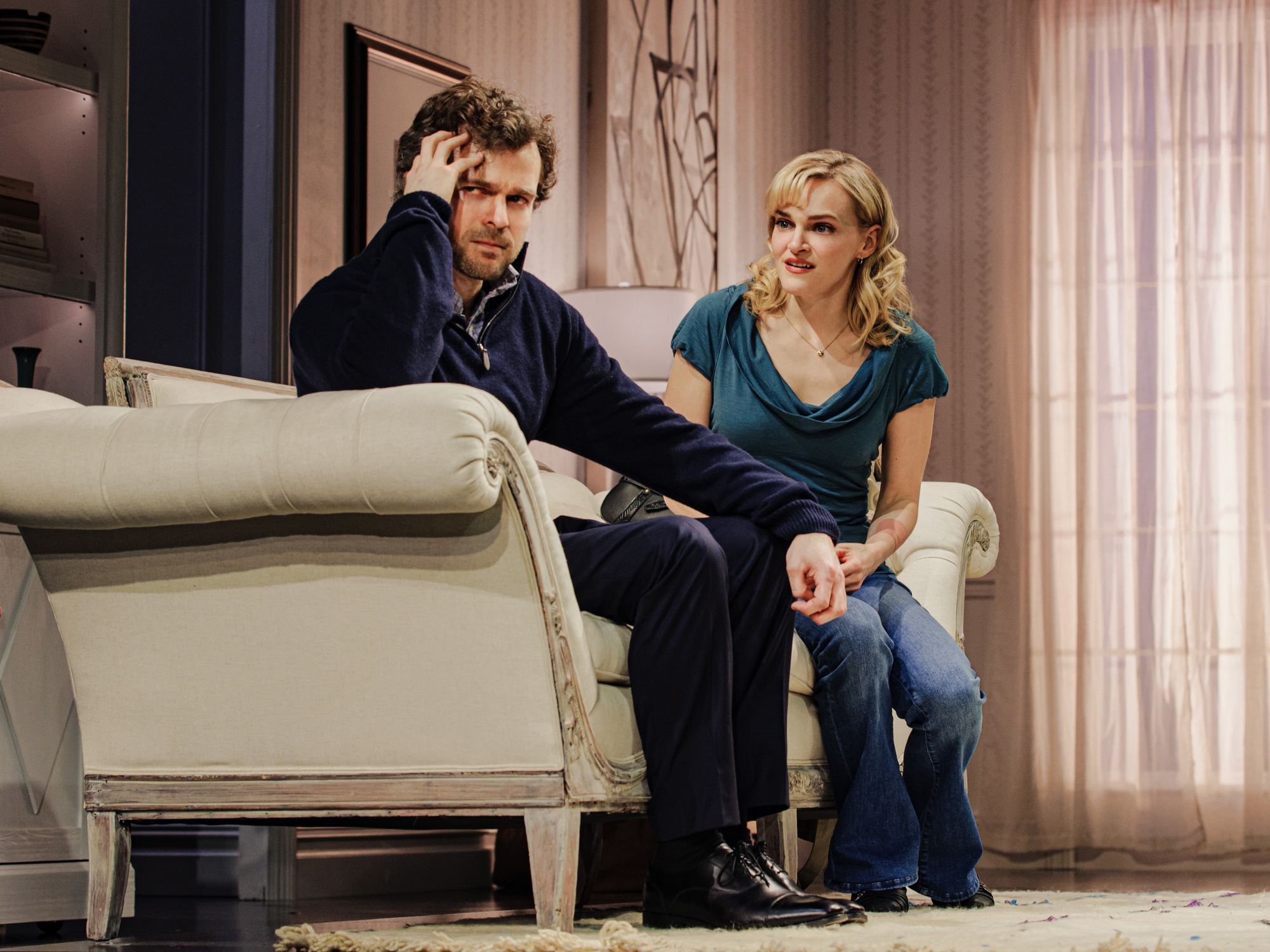
We cast the men first and then the women, it took a longer time. The Becky role is very divisive. Trip Cullman, the director, and I are so grateful every day for Maddie because for that role, you really have to be willing not to be liked—and not all actors are game to do that. Maddie from the beginning was just like, "I'm going to play this character truthfully and whatever anybody thinks, that's okay." And that's really the only way you can play that role.
Did the off-Broadway cast influence your thought process for the Broadway revival?
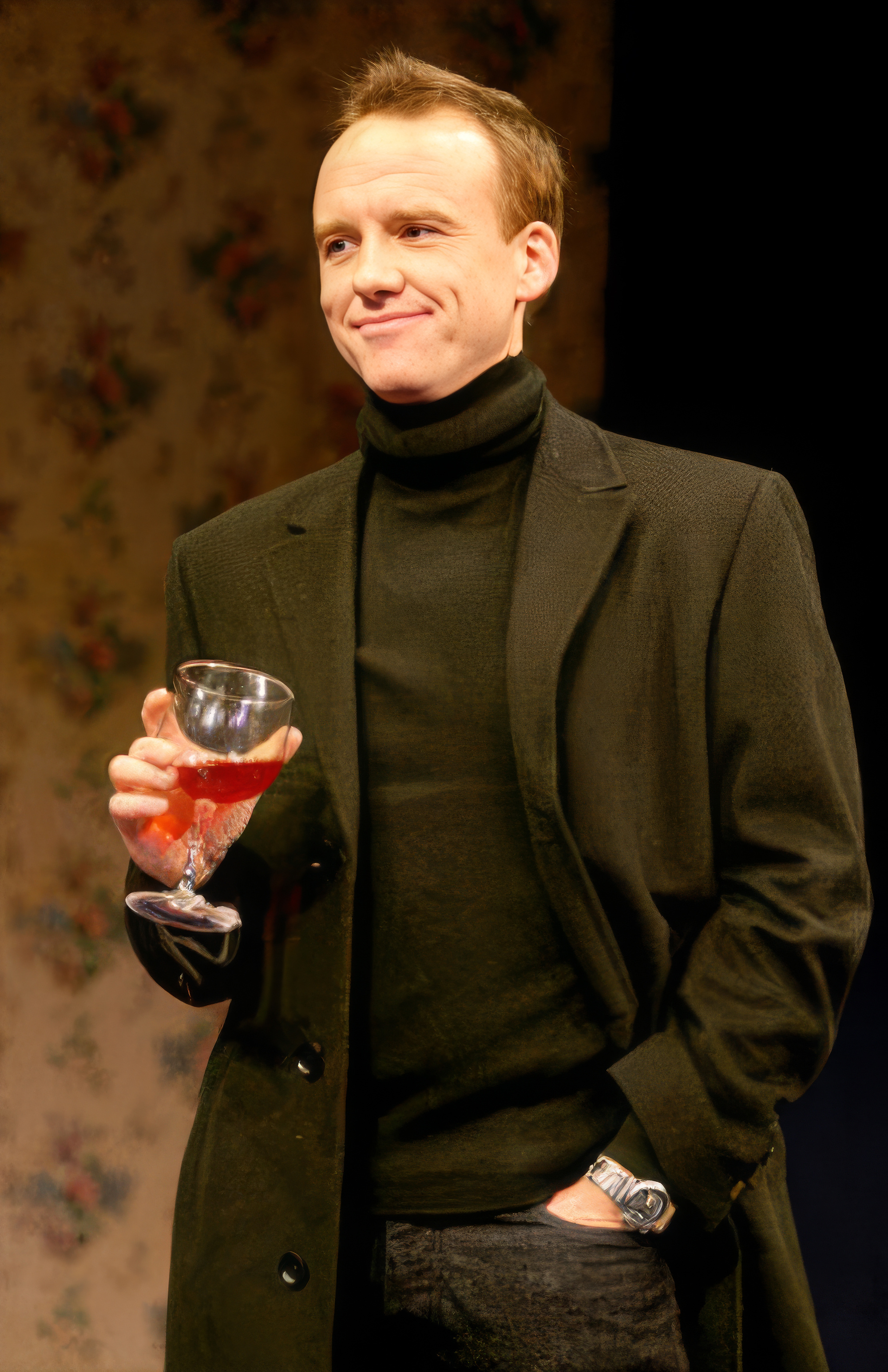
One thing we went into the casting process with that was difficult is that the actor who originated the Max role, David Wilson Barnes, passed away right after the show was announced. When I first sat down with Trip and Evan, we all had this incredible reverence for David's performance—because it was incredible. Evan said, "If we compare every actor to David, we're never going to cast the play." So we really had to try not to compare, and it wound up being a good thing that Alden is so different. His qualities as a human are so different. And once we got in the room, I didn't find myself comparing.
Once the men were cast, did you do chemistry reads at all?
No.
They all have very good chemistry.
They really do. I don't know why it wound up that the men just fell into place right away and then the women were harder. Linda, we offered her the role thinking, well, she probably won't take it. We were thrilled that she responded to it. We thought she was a bit of a long shot and she's so brilliant. With the women, we could not have done better. I've spoken about Maddie, but I said going into this, I think Lauren's role is the one role that if you miscast, it's a disaster. I said throughout the casting process, that if we were going to roll the dice on a TV star who hadn't been on stage before, we couldn't do it in that role. She really carries the thing because she's the character who is in transition and reacting to everything around her. She really has to be an excellent, excellent performer, and Lauren is.
How do audience reactions compare this time around? Were you surprised by what people are or are not laughing at, what they're clutching their pearls over?
I think Evan was somewhat courageous to do the play right now because we were somewhat concerned that the audience wouldn't be laughing at all. I was surprised that the audience embraced it as strongly as they did. And I think part of it is that there's been a timidity in writing in the last bunch of years. I think people are enjoying seeing something that isn't timid, frankly. In terms of what they laughed at and what they don't, it's pretty similar.
Why did you decide to make Becky Shaw the title?
It was a title that I had on the play that I was going to change. And then in Louisville when I got around to thinking about changing it, the director at that time, Peter DuBois, felt it was right for reasons he couldn't put his finger on. I was an English major and there are so many novels in the canon named after women trying to survive, and often survive economically. We liked that it was a callback to those novels, like Tess of the d'Urbervilles and Moll Flanders. And also, for me, Becky catalyzes the action. There's no play without Becky entering the picture. So it made sense to me that she should be the title.
You mentioned being an English major—it was loosely inspired by the novel Vanity Fair, correct?
Yes. There's a character in Vanity Fair named Becky Sharp who is very boldly trying to marry into a higher class. And I read something where the author, William Makepeace Thackeray, said that she was a serpent or monstrous. That got me thinking about why the author would be so hard on that character. And it got me thinking about how taboo it is, in some instances, to be trying to marry yourself out of poverty. It was really interesting to me to see the movie Materialists, because I didn't realize that there is a whole world I'm not privy to where everybody is boldly talking about how rich someone is and how good-looking they are and trying to marry up. But certainly in the artistic world, one would never.
Because we have morals!
[Laughs] Well, if we're thinking it, we don't say it.
For audiences discovering you for the first time through Becky Shaw on Broadway, which of your works would you recommend next and why?
I have a play called After Ashley that has a similar dark comedy and also a male protagonist, a teenager who is somewhat similar to Max in that he just says what he thinks and doesn't care what anyone thinks. If you like Becky, you'll probably like After Ashley. The play between After Ashley and Becky Shaw is Rapture, Blister, Burn, which is different than those plays. I would say it's not as dark. It's about people hitting 40 and asking questions about their life, and particularly it's about where feminism has gotten us, where it has failed us.
Are you working on anything new?
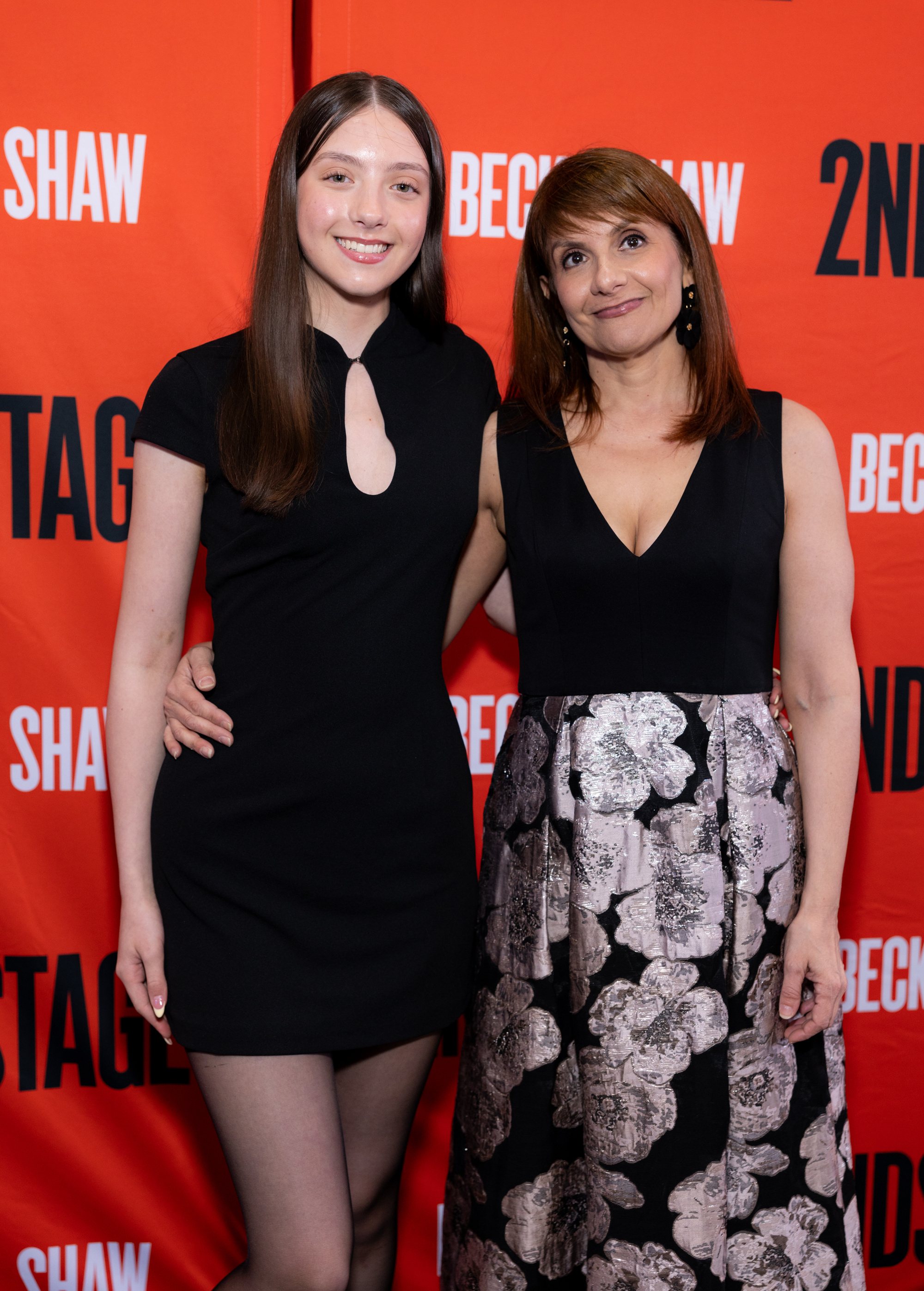
I worked a lot in TV. I had a baby on my own—she's 14 now—so I really had to pivot to TV to make a living. The TV business has been rough in the last couple of years, so I had the time to turn back to play writing. I have two new plays that we're trying to bolster with some assets before we take out. And I adapted the novel The Silence of the Lambs for theater, and that's happening this summer in England. The show closes June 14 and I still have a lot of family and friends coming through to see it. Once the play ends, I can turn back to what the next project is.
Is the hope that The Silence of the Lambs will come to New York?
Oh yeah. That's the hope. It's going to tour the U.K. and Ireland and the hope is that it will be a hit and go to the West End and from the West End to Broadway, but that's a big, huge dream.
Get tickets to Becky Shaw!
