
5 Reasons Broadway’s Here There Are Blueberries Will Stay With You
Powerful performances and haunting photographs fuel Moisés Kaufman and Amanda Gronich’s Pulitzer Prize finalist about history and responsibility

(Photo: Matthew Murphy)
What to Know
- Here There Are Blueberries, a Pulitzer Prize finalist, is playing on Broadway at the Barrymore Theatre
- The true story follows archivist Rebecca Erbelding’s investigation of an Auschwitz photo album depicting Holocaust perpetrators
- Delia Cunningham, Conrad Ricamora, Brandon Flynn and Michael Cerveris feature in an ensemble exploring complicity, silence and responsibility across generations
Here There Are Blueberries, a Pulitzer Prize for Drama finalist, is written by Moisés Kaufman and Amanda Gronich and directed by Kaufman. Now playing on Broadway at the Barrymore Theatre, the cast features Delia Cunningham, two-time Tony Award winner Michael Cerveris, Scott Barrow, Michelle Beck, Kathleen Chalfant, Brandon Flynn, Tony nominee Montego Glover and Tony nominee Conrad Ricamora. Here are five reasons to see it.
1. Find a different way into the narrative.
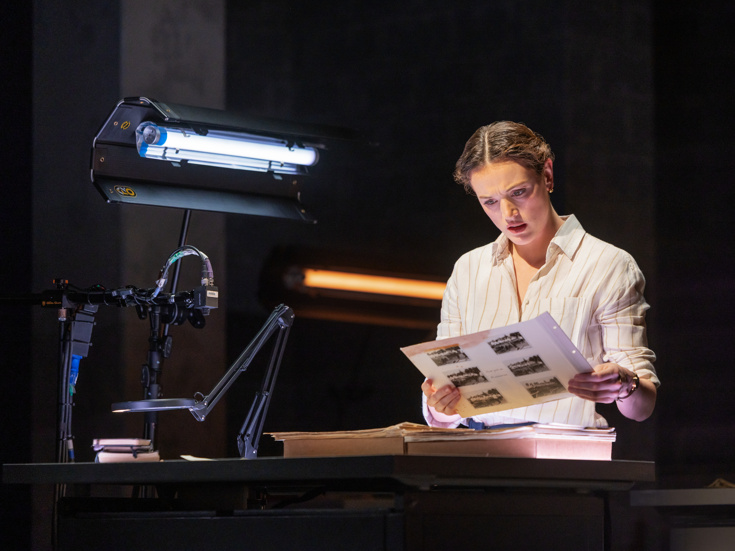
Yes, this is a show about the Holocaust—but the approach is different than most. Delia Cunningham delivers a series of astounding performances, including her portrayal of the real-life Rebecca Erbelding, a young archivist working in the Research Department of the United States Holocaust Memorial Museum. The play begins in 2007, when the museum is sent an album of photographs depicting the perpetrators of the Holocaust—not the victims—at Auschwitz.
2. Consider multiple sides of the story.
When Rebecca realizes that none of the photographs feature a single victim of the Holocaust, the question of whether or not to display them is raised. The museum's goal is to humanize and honor the victims, not focus on the perpetrators. But as Rebecca states, "Six million people didn’t murder themselves." While the concern over drawing attention to the wrong side is understandable, the investigation—and the play itself—has the opposite effect. The researchers and the audience come to understand just how culpable these individuals were, to disturbing effect.
3. Come face-to-face with history.
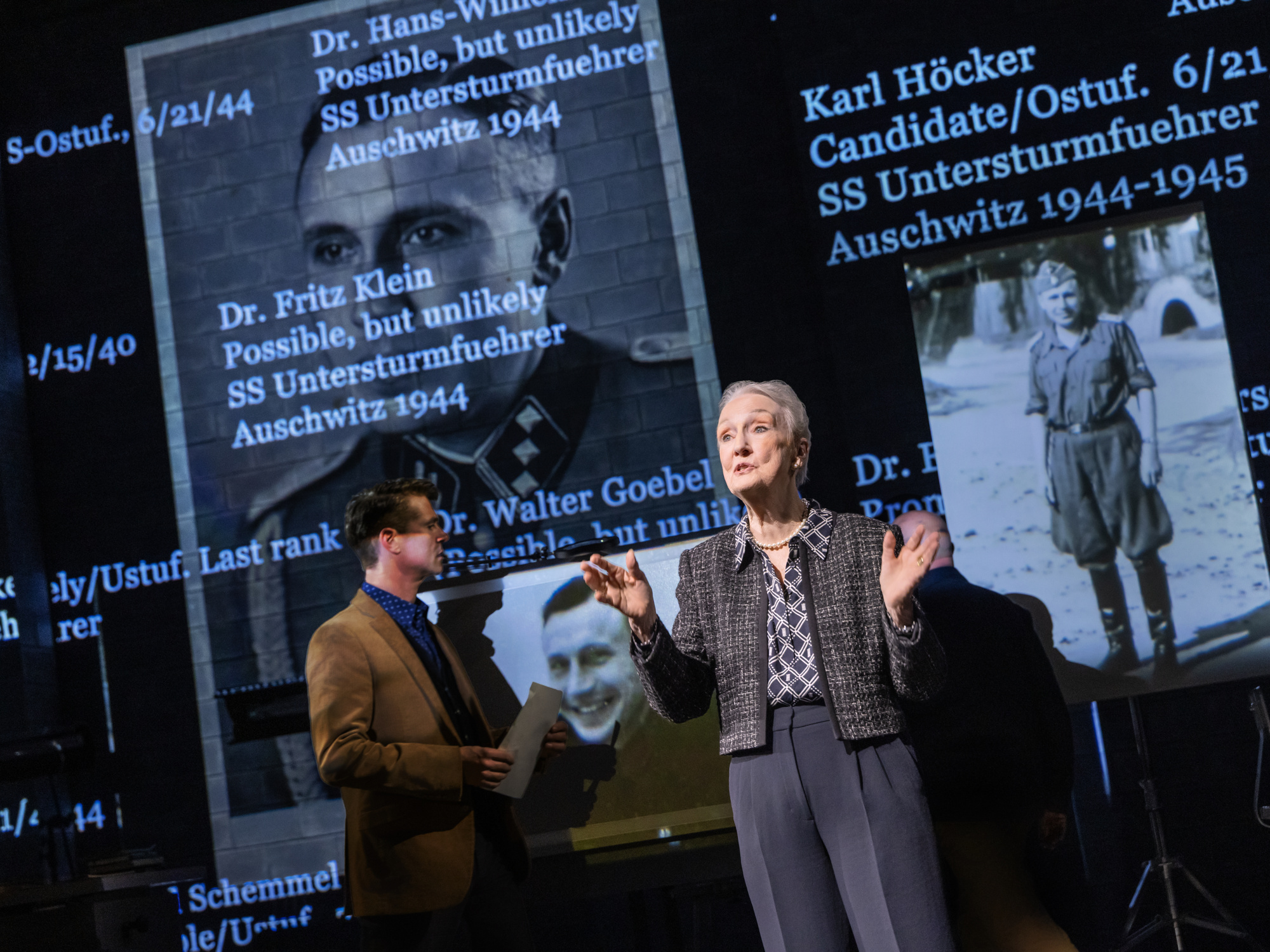
"That's the thing about history. Not all of it is knowable," Cunningham says, in character as Rebecca. Here There Are Blueberries presents what is known, but it doesn't leave history in the past. The photographs that were sent to the museum are projected to the audience for the duration of the play. As the researchers ask questions and uncover truths about the people in these pictures, their faces stare out at the audience, making it impossible to look away.
4. Experience powerful performances.
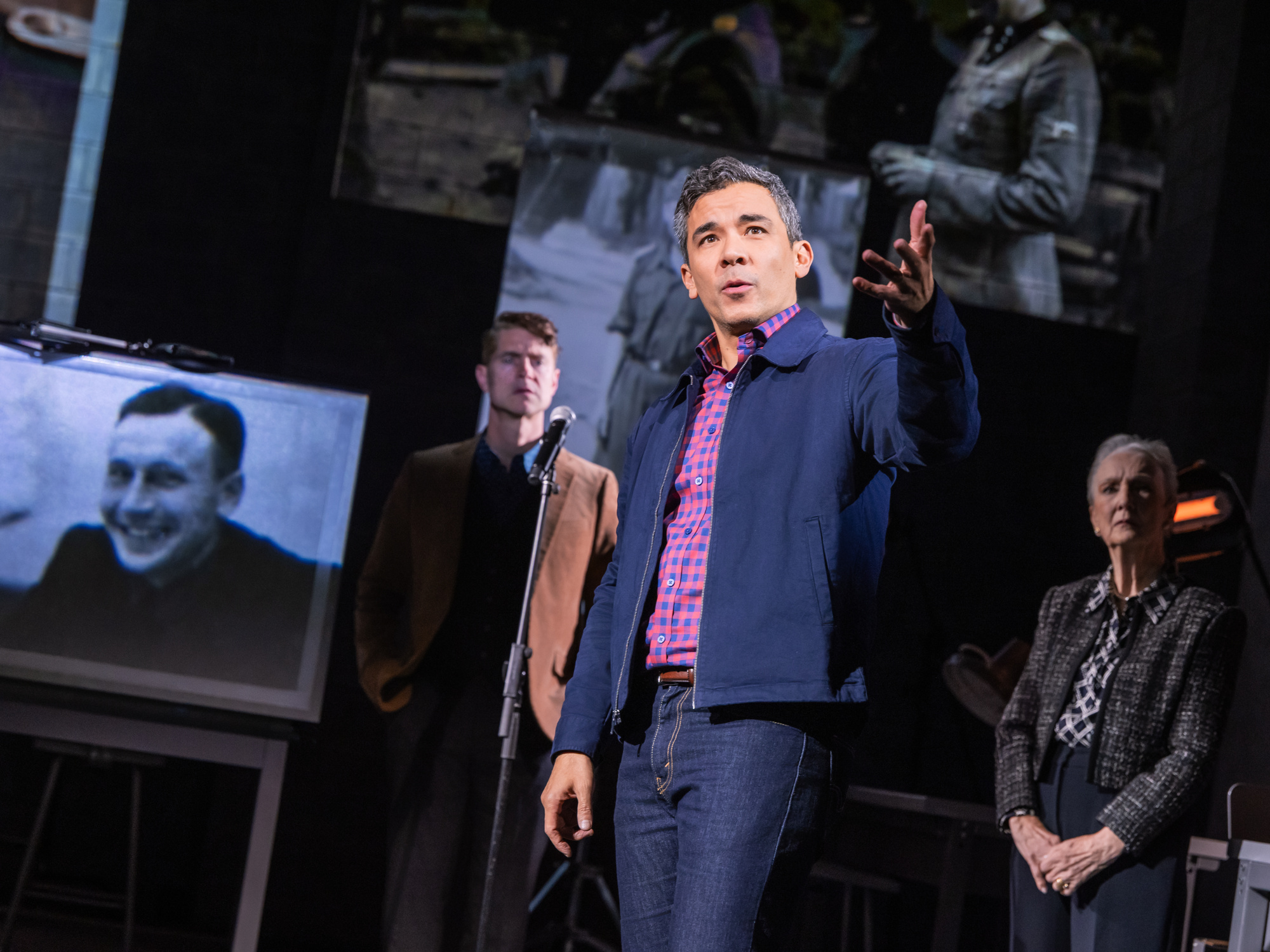
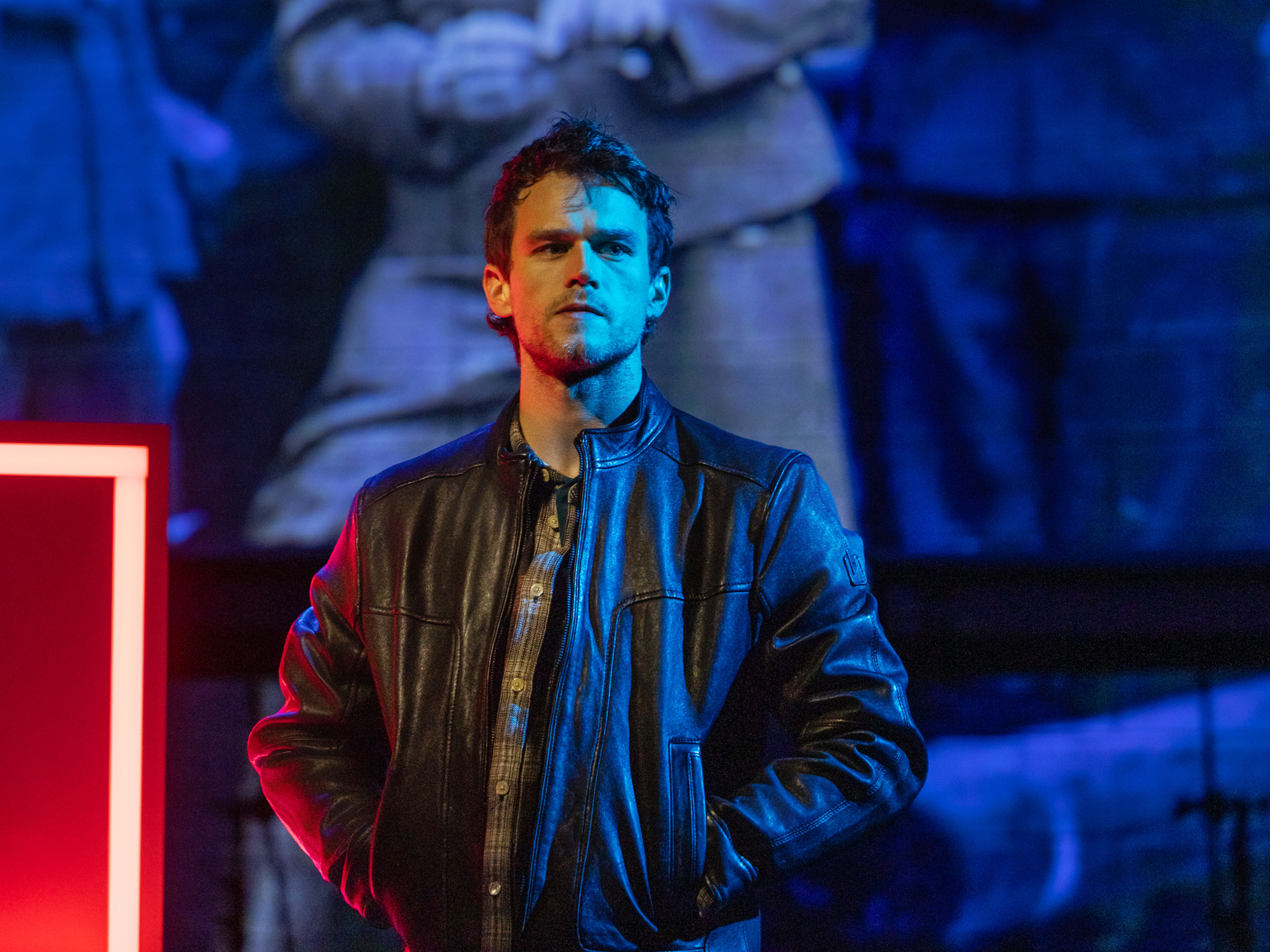
The play's message is most effective when the archivists take a step back and allow the individuals affected by the album’s discovery to process their complicated feelings. Outside of the museum's academic setting, Conrad Ricamora as Tilman Taube and Brandon Flynn as Rainer Höss bring depth to the story. In one of the most arresting scenes in the play, the two meet in a bar to talk about the past, with the modern setting driving home the importance of these conversations in the present. Höss recalls how the discovery of his family history affected him and why he ultimately chose not to hide the truth.
5. Grapple with the responsibility of later generations.
"Those who say nothing, they transfer this trauma to the next generation." This may sound like a quote from the descendant of a Holocaust survivor, but in the play, it comes from a descendant of a Nazi doctor. In grappling with the realization that his grandfather was culpable in the killings at Auschwitz, Tilman makes a choice to aid the museum rather than continue to stay silent. This act allows for further discoveries, but it also asks real questions of everyone watching: What would you do? Who are you in the story? "I saw without seeing," the former head of the Press and Propaganda Division of the BDM (the female youth organization in Nazi Germany) says of the atrocities she witnessed. For audiences at the Barrymore Theatre, not seeing is not an option.
Get tickets to Here There Are Blueberries!


