
Jeff Kready Takes on 20 Roles and One Wild True Story in Broadway’s Operation Mincemeat
The actor discusses finding Hester Leggatt’s heart, delivering “Dear Bill” and inspiring the next generation of theater fans

(Photo: Matthew Murphy)
What to Know
- Jeff Kready plays 20 characters in Broadway’s Operation Mincemeat at the Golden Theatre
- Kready discusses portraying Hester Leggatt and singing the emotional solo “Dear Bill”
- Kready shares how roles in Masquerade, Tootsie and A Gentleman’s Guide to Love and Murder prepared him for Operation Mincemeat
Back in 1997, a Kansas high schooler—and proud theater geek—named Jeff Kready was visiting New York City for the very first time and caught three smash shows on Broadway: Miss Saigon, Les Misérables and A Funny Thing Happened on the Way to the Forum. Then a funny thing happened. “I felt like my brain exploded,” he says. “There’s a lot of great community theater in Kansas but, to me, there was nothing like a Broadway show. The trip was so important because it really showed me what theater was capable of.”
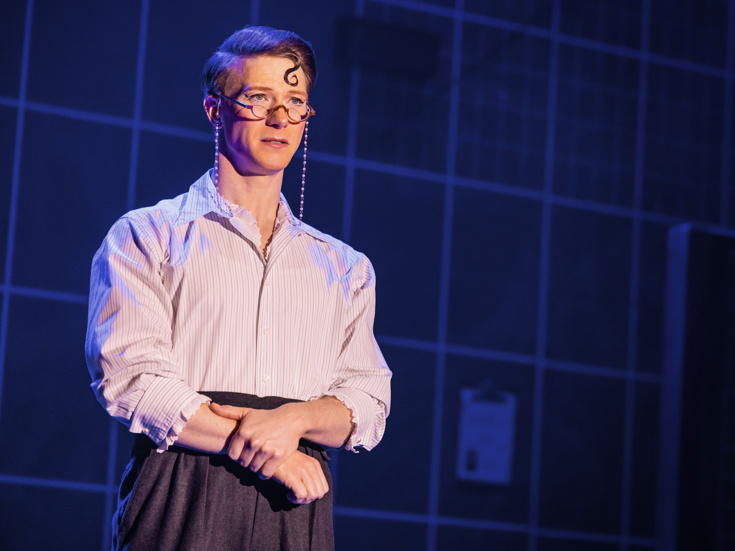
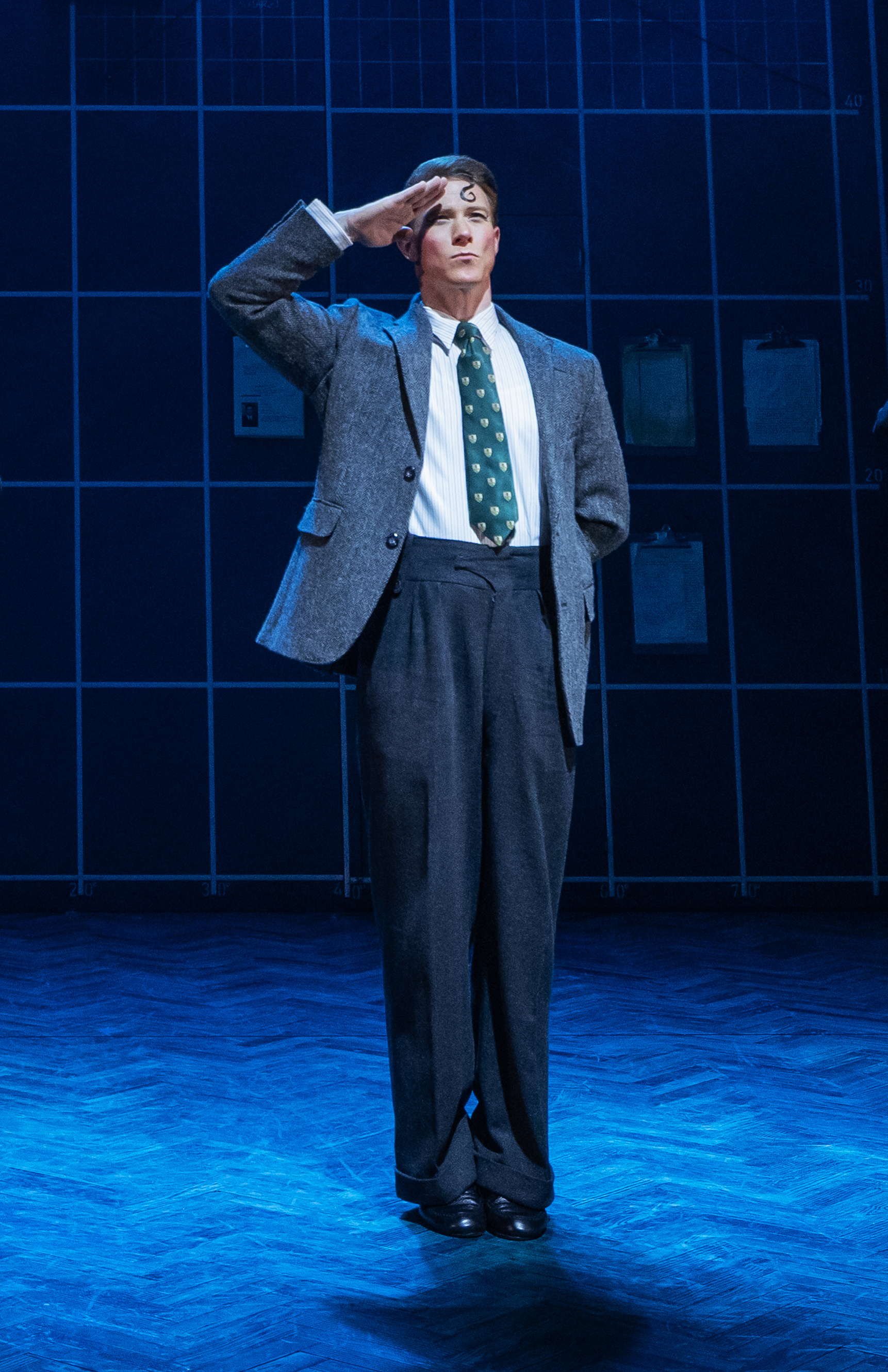
He has yet to recover. Now a veteran stage actor, Kready plays 20 characters a night in the madcap Tony-nominated British musical Operation Mincemeat. The crazy-true story chronicles how five MI5 officers devised a plan to mislead German spies in Spain during World War II by planting false documents on a corpse dressed as a British pilot. Among Kready’s roles? Real-life administrative assistant Hester Leggatt, American pilot William R. Watkins and pathologist Bernard Spilsbury. (The other four actors collectively portray 67 people involved in the secret mission.)
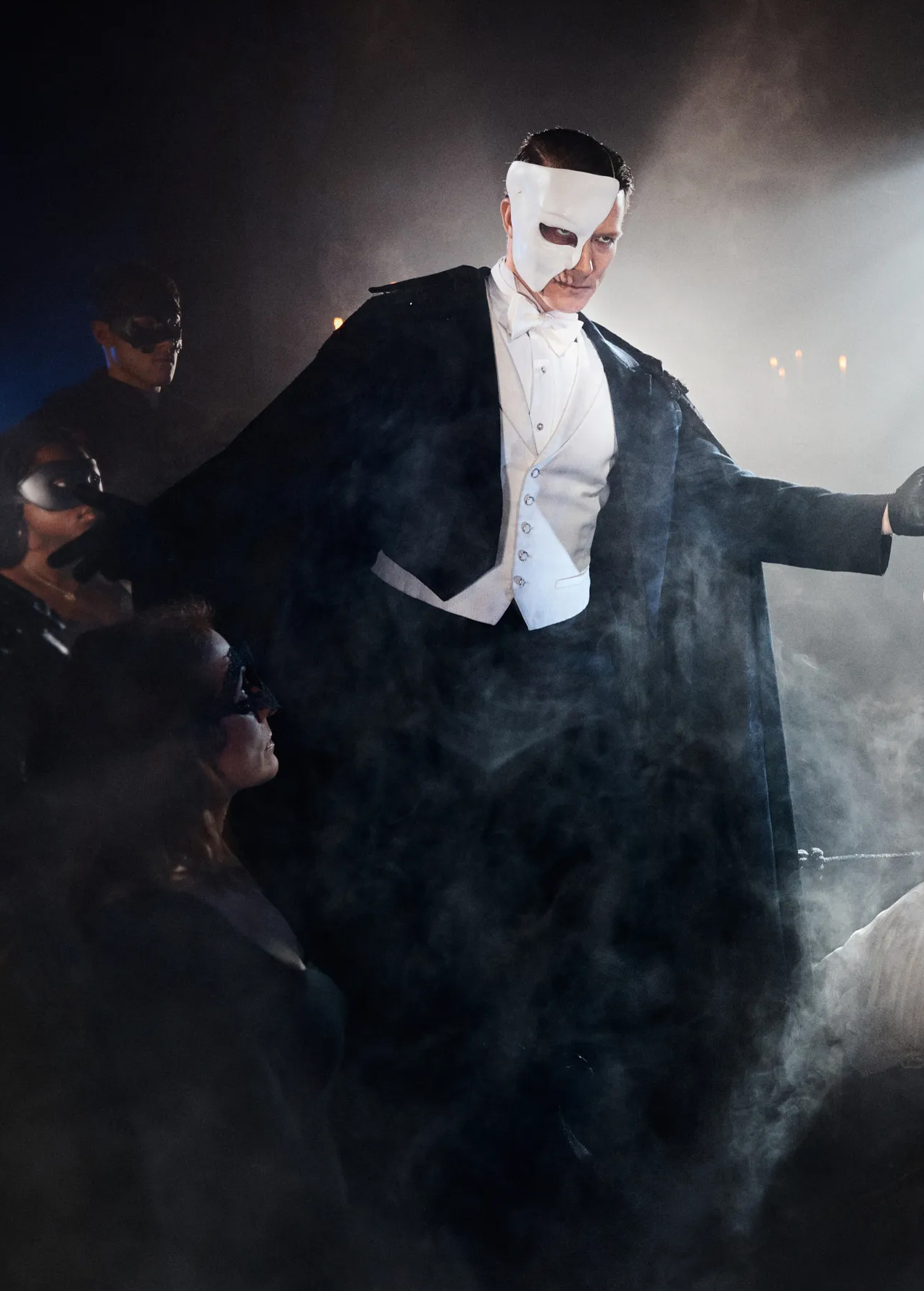
“As an actor, it’s a gift that I really get to think outside the box,” says Kready, who joined the company in February after taking on the Phantom in Masquerade. “And the audience goes along for the ride with us.” On a day off from performing at the Golden Theatre, Kready talked to Broadway.com.
What’s your theory on how an obscure British World War II story turned into a hit Broadway musical comedy?
Because it’s all so outlandish. Tricking Hitler with this outrageous plan of using a dead body planted with fake invasion documents is something you could write as fiction. Then you have the coincidence of an allied American pilot crash-landing less than two weeks before the operation went down. And the pilot and the corpse are both named William! It’s too much to believe. We make an announcement at the very beginning of the show because the audience needs to know that everything we’re seeing is true.
Is it fair to say this is the most physically demanding show you’ve ever done?
Yeah, it doesn’t get much harder than this. The first time I saw the show, I remember being truly in awe at what those actors were doing and thinking to myself, “What have I gotten myself into? Can I even do this?!”
So, how did you prepare for it?
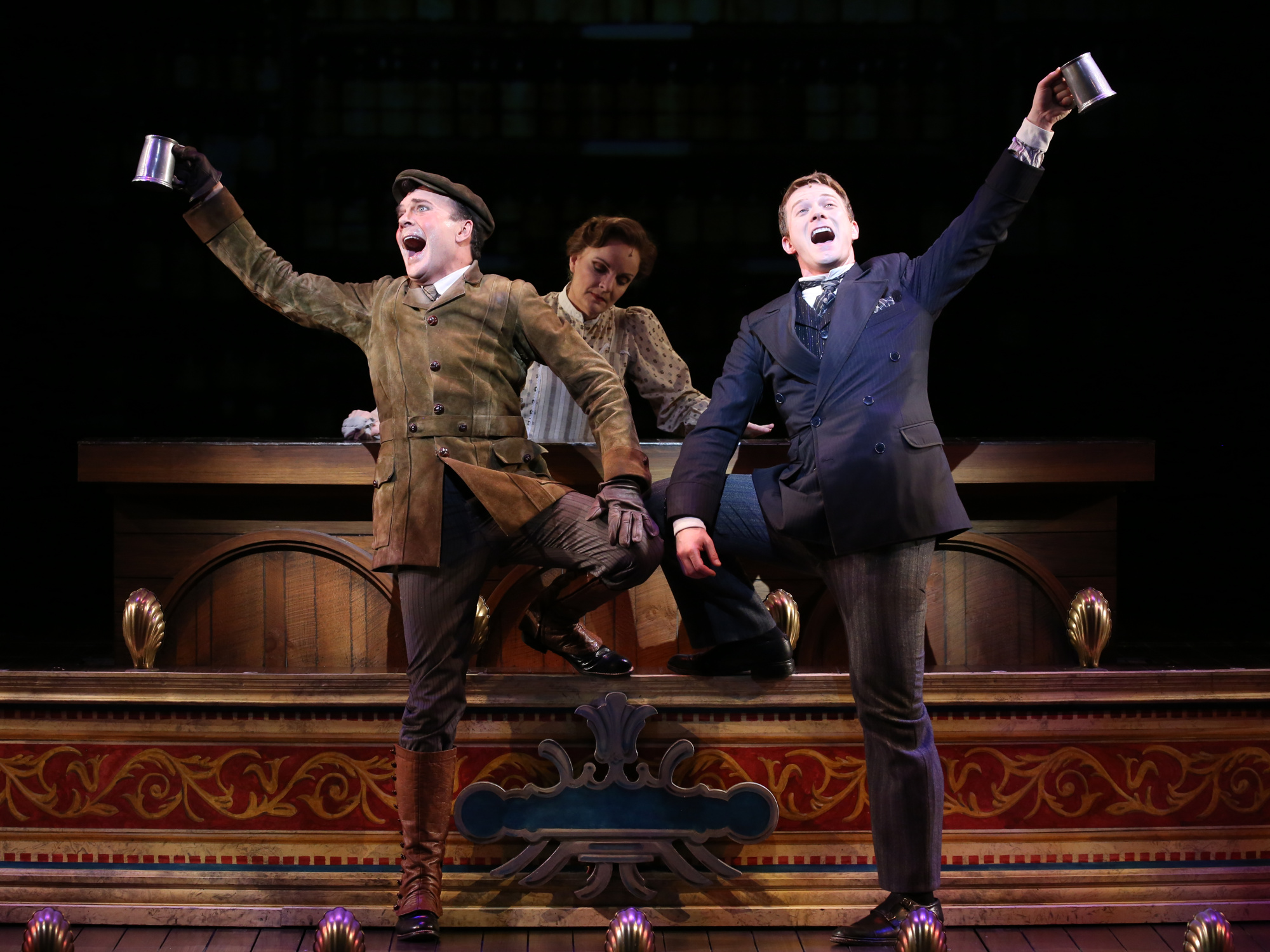
I feel like experiences along the way helped me. A Gentleman’s Guide to Love and Murder also has a heightened British comedic sensibility, and there was a lot of character-changing in it. I stood by for Santino [Fontana] in Tootsie. And as Phantom of the Opera in Masquerade, I had to manage an audience like never before because it’s immersive theater. So to just stand on stage in Mincemeat feels easy!
What’s the secret to keeping all those characters organized in your head?
Now it comes pretty easily. But in rehearsals, we talked with [comedy troupe creators] SpitLip about how the shorter the character spends on stage, the bolder the choice needs to be. So Hester is more grounded because she’s a real person. The characters that just pop in for a second—like the shoe-shiner—need to be much larger. The moment you transform into that character, the audience knows who that is.
What’s the purpose of all the gender-bending?
I think it's because we play so many characters that we don't take time to consider it. It’s not about race or gender—it's just about the actor that fits in that moment. At some point, we all flip-flop and play a gender that is not our own. And the audience doesn't think anything about it because the very first image you see is Julia Knitel playing Monty [British naval officer Ewen Montagu]. And she does it so convincingly.
Let’s talk about Hester. Why is she important to the operation?
She was a real person, and she truly was vital. Nobody knew her last name until not that long ago because, in classic Monty form, he had not included her last name in his writings about the operation. And when historians found out it was Hester Leggatt, more information came out about her.
"I love that I've made an impact on the next generation, because I remember when I was in high school and I stage-doored."
—Jeff Kready
Do you have a personal takeaway from playing her?
I had never contemplated this before, but women played a huge role in World War II. They just weren’t given the credit. Hester was like a silent warrior.
What did you know about the story before you started the production?
Nothing. I have family members who are big World War II buffs, so I felt like I knew the history peripherally. I actually had no idea that this was a true story because it seemed so outrageous. And then after I got the job, I watched the Netflix movie [2021's Operation Mincemeat] with Colin Firth [as Ewen Montagu]. It was a great movie. But shockingly, the movie takes more liberties with the truth than our musical. That’s so rare for material like this because on Broadway we have to make things more exciting so that we can sing it.
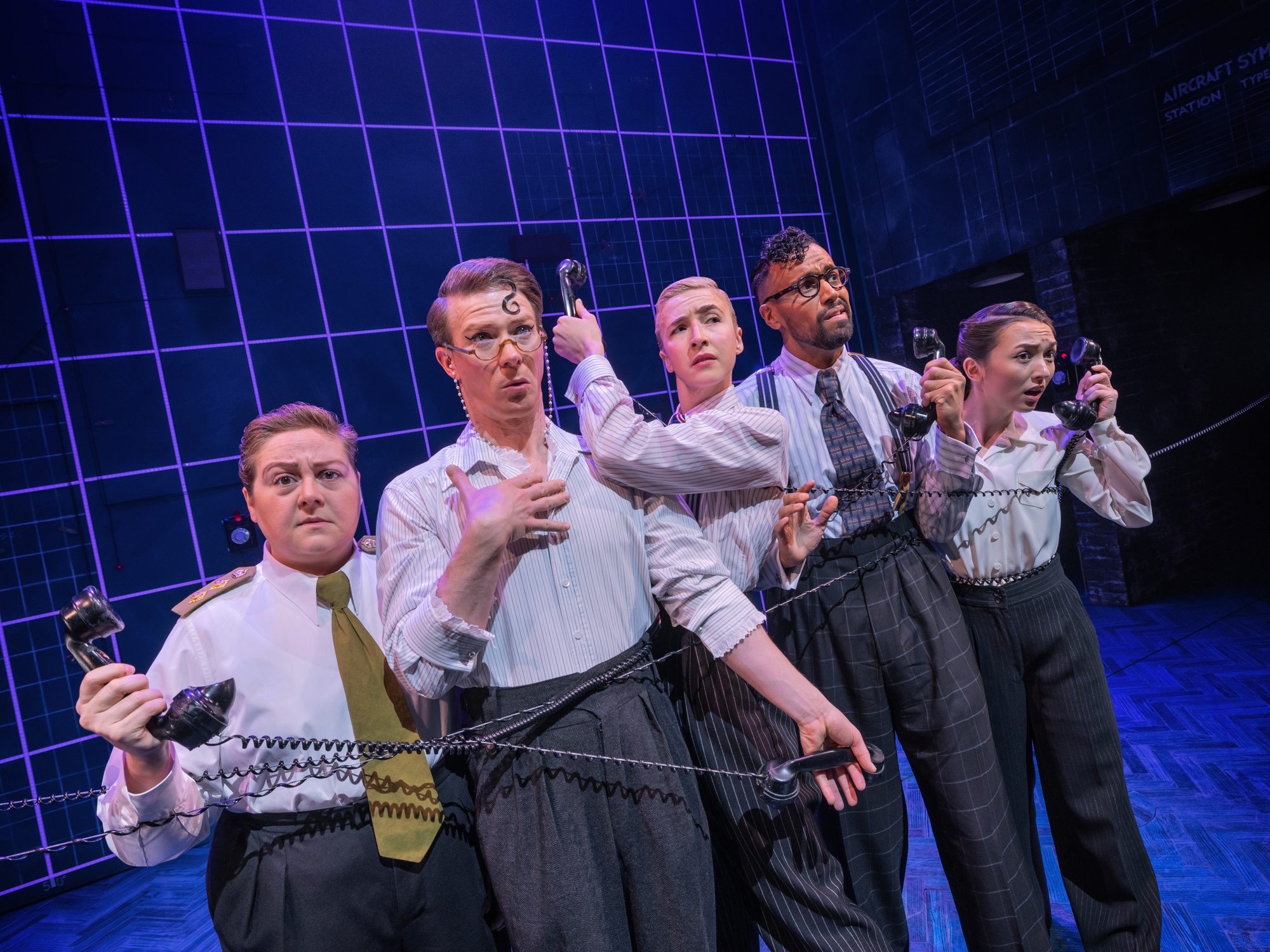
Your solo number, “Dear Bill,” details a love letter found on the fake soldier’s body. That really happened?
It’s absolutely true. Hester really wrote the letter. There’s a specific line: “Why did we meet in the middle of a war? What a silly thing for anyone to do.” That was written by Hester and taken directly from the letter that was planted on Bill and then put into song.
How do you feel when you sing it?
What a gift. That is the first moment we stop to remind the audience what the stakes actually were. Yeah, the show is so funny and over the top and zany. But when we zoom in, I love it because I just have to stand and deliver this letter and tell a true story. It’s very heartfelt and truthful, and we get to think about the sacrifice that so many people made, both on the battlefield and at home. So I think it resonates with people because we stop to take a breath; it hits harder that way.
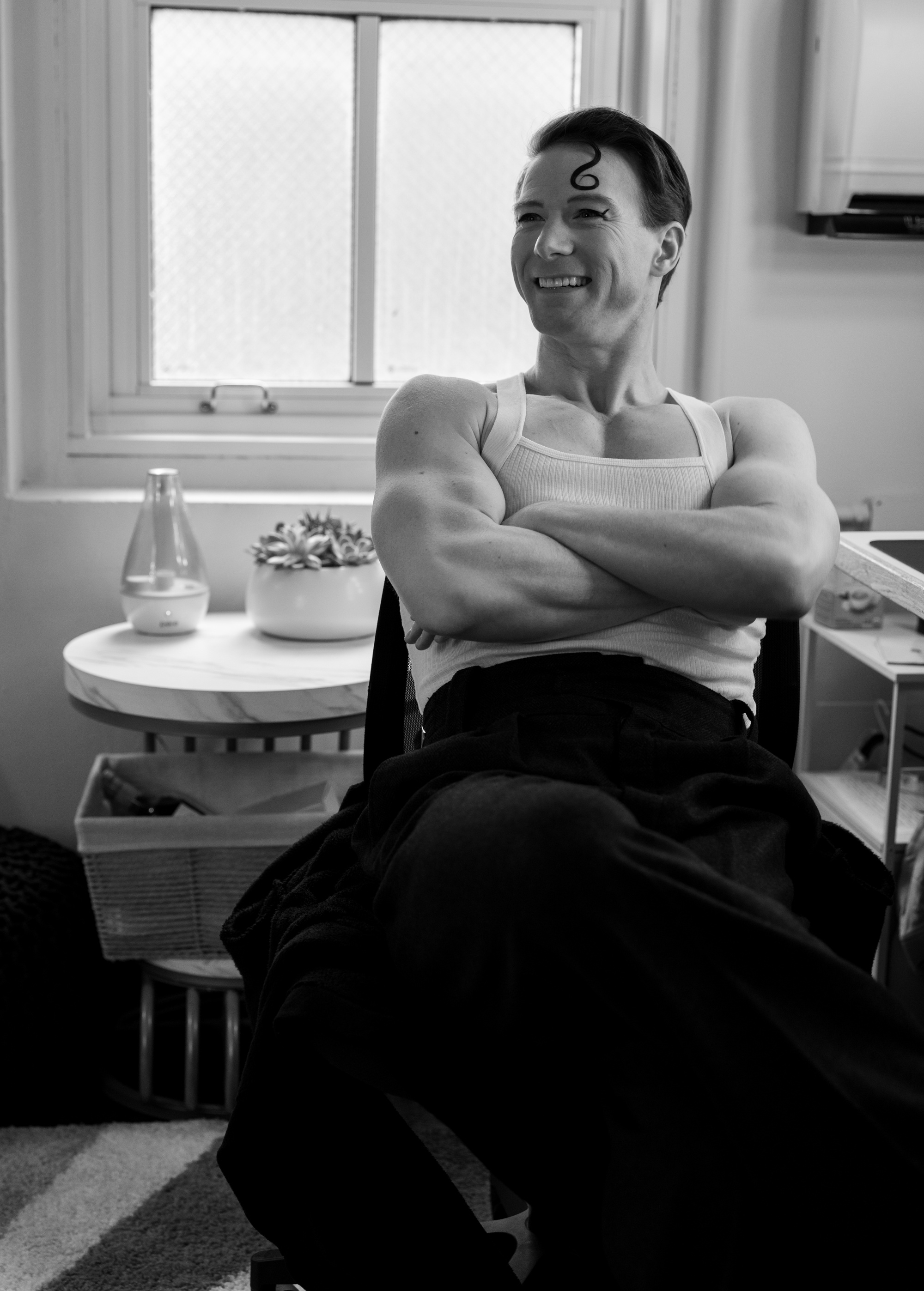
Your predecessor, Jak Malone, won a Tony for his performance. How have you made it your own during your run?
Being an American surely has something to do with it. I have a completely different background from Jak, but the producers were gracious in letting me make different choices with Spilsbury, with Willie, and even with Hester. They never said that I needed to fit a certain mold, as long as the characters were based in truth.
Got any good backstage visitor stories?
It’s always fun when famous people come by. Ariana DeBose was here, and it was really cool to have an Oscar winner see the show and hang out with us backstage. She was very gracious. But, truthfully, the best part of the night is walking out and seeing the kids at the stage door. Their eyes just light up! I love that I've made an impact on the next generation, because I remember when I was in high school and I stage-doored. I knew how much it meant to me. To feel like you’re a part of that experience as a performer is the most rewarding thing. The best part of the night is walking out and seeing the kids at the stage door. I love that I've made an impact on the next generation. The best part of the night is seeing the kids at the stage door. To feel like you’re a part of that experience as a performer is the most rewarding thing.
Get tickets to Operation Mincemeat!

