Raúl Esparza Walks Through His Broadway Resume—From The Rocky Horror Show to Galileo
The four-time Tony nominee revisits the theaters, collaborators and career-defining moments that shaped his Broadway career


(Photo by Sergio Villarini for Broadway.com)
What to Know
- Raúl Esparza stars in the title role of Galileo at Broadway’s Shubert Theatre
- The four-time Tony nominee reflects on 10 Broadway shows, including Company, Cabaret and The Homecoming
- Esparza revisits the theaters and collaborators that shaped his career, sharing memories of Stephen Sondheim, Tom Stoppard and Norbert Leo Butz
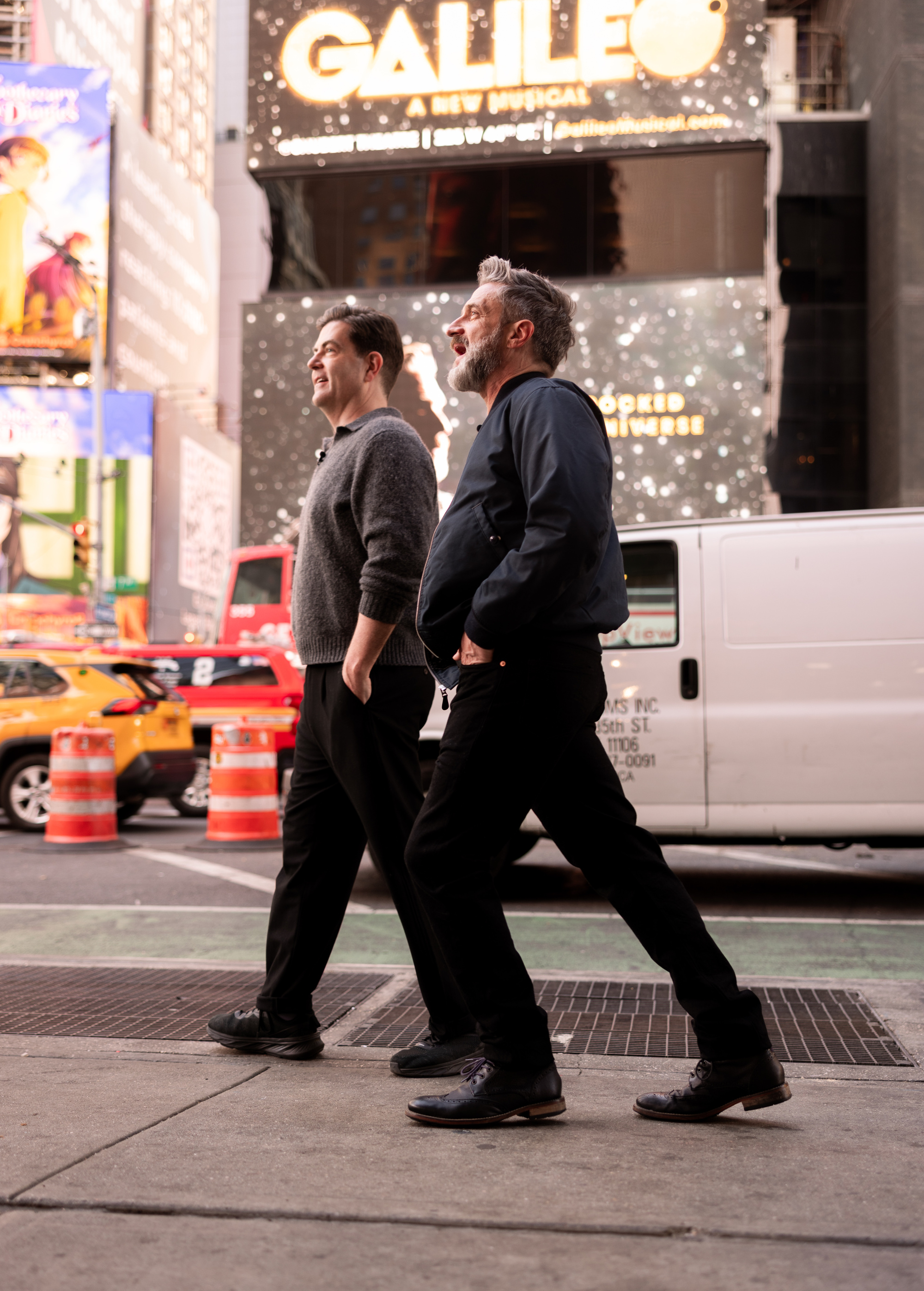
(Photo by Sergio Villarini for Broadway.com)
Raúl Esparza is back on Broadway and he has a few stories to tell. Now literally starring in the title role of Galileo at the Shubert Theatre, the four-time Tony nominee joins Broadway.com Editor-in-Chief Paul Wontorek for a walk through the theaters that shaped his career. Across 10 Broadway shows, Esparza has played everything from an alien butler to a Hollywood hustler, building a resume that bridges Stephen Sondheim, Harold Pinter and Boy George. “Yay! I get to talk about me,” he cheers.
Esparza made his Broadway debut as Riff Raff in The Rocky Horror Show at the Circle in the Square Theatre. Joining a cast that included Joan Jett, Daphne Rubin-Vega and Lea DeLaria was intimidating, but DeLaria helped steady his nerves before a Times Square performance of “Time Warp.” His castmates’ encouragement continued in rehearsals. “They really made me feel like a million, trillion dollars,” he recalls. That welcome established an almost impossibly high bar. “I genuinely thought that's what Broadway was. Broadway isn't always like that, but when it is, it's a gift.”
After plans for a revival of Assassins were postponed following the September 11 attacks, Esparza suited up to play the Emcee in Cabaret at Studio 54. There was no audition, just two weeks of preparation. “You rehearse for two weeks and then you're shot out of a cannon,” he says. His Sally Bowles partners included Brooke Shields, Gina Gershon and Molly Ringwald, whom he also performed with in Tick, Tick... BOOM!. Beneath the glamour, the material was demanding. “It asks everything of you, but it's exhausting and you can't shake the show.” Even the building contributed. “It smelled like vomit and cocaine and alcohol,” says Esparza. “But it was everything for Cabaret.”
(Photo: Matthew Murphy and Evan Zimmerman)
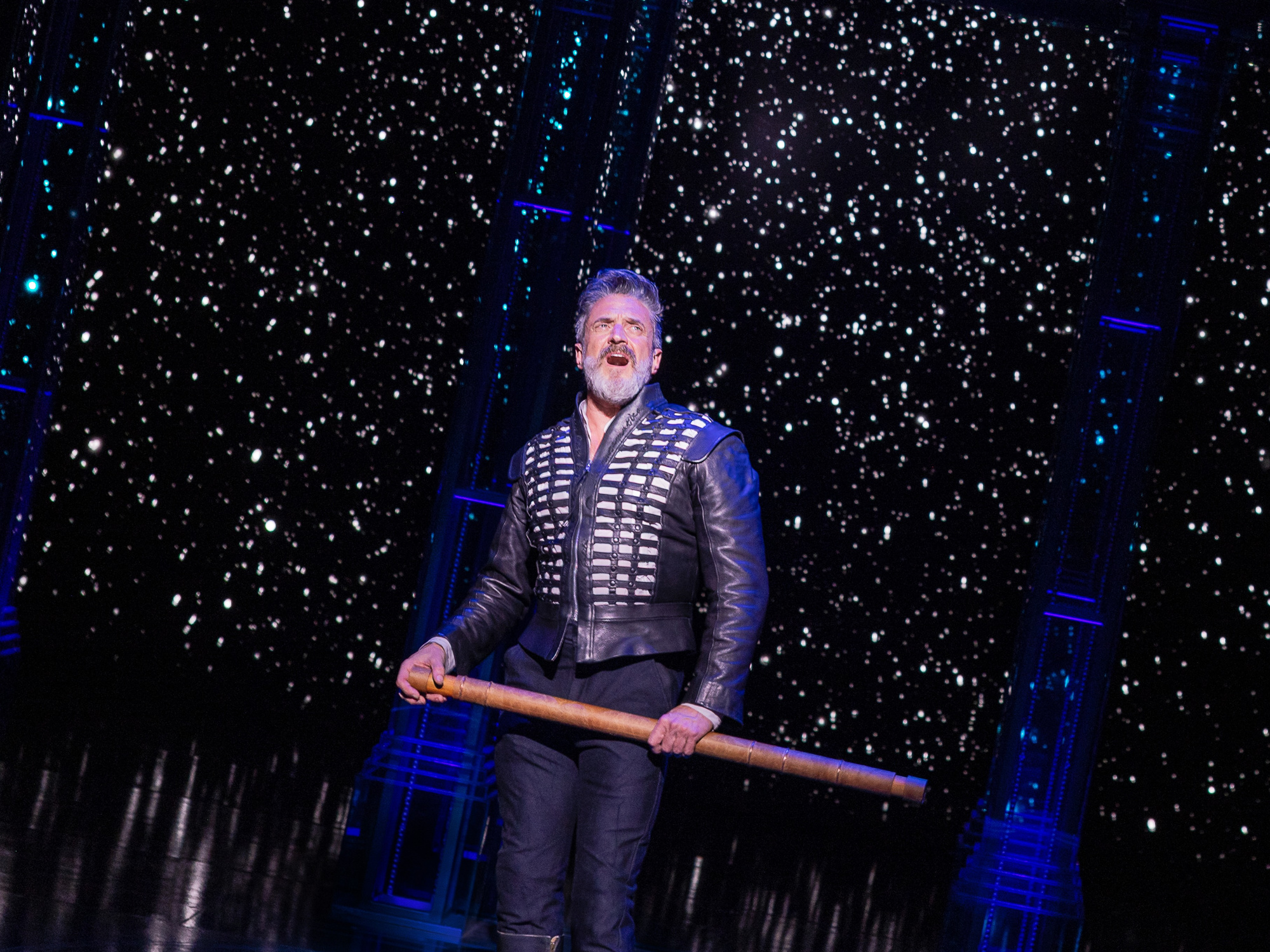
At the Gerald Schoenfeld Theatre, formerly the Plymouth, Esparza revisits Taboo and his first Tony nomination, for playing nightclub fixture Philip Sallon. Research included 10 days of London clubbing with Sallon himself. “10 days of clubbing is a lot,” he admits. The short-lived Boy George musical, produced by Rosie O’Donnell, remains a cause he champions. “This show deserves a revival right now.” Its recording also holds a distinction in his collection: “I don't listen to shows I do. I will listen to Taboo.”
The Lyric Theatre, now bursting at the seams with wizards, summoned a flying car, demanding choreography and backstage mischief during Esparza’s time in Chitty Chitty Bang Bang. He played Caractacus Potts, following in Dick Van Dyke’s footsteps. Water gun attacks on the orchestra eventually prompted the brass section to retaliate with Super Soakers, drenching Esparza and his young castmates. The car’s technical difficulties required improvisation, too. Still, he rejects the idea that every production must become an unstoppable blockbuster. “If you can't fail, you can't make art,” he insists. “If you can't make mistakes, you can't learn and grow and change and develop.”
(Photo: Carol Rosegg)
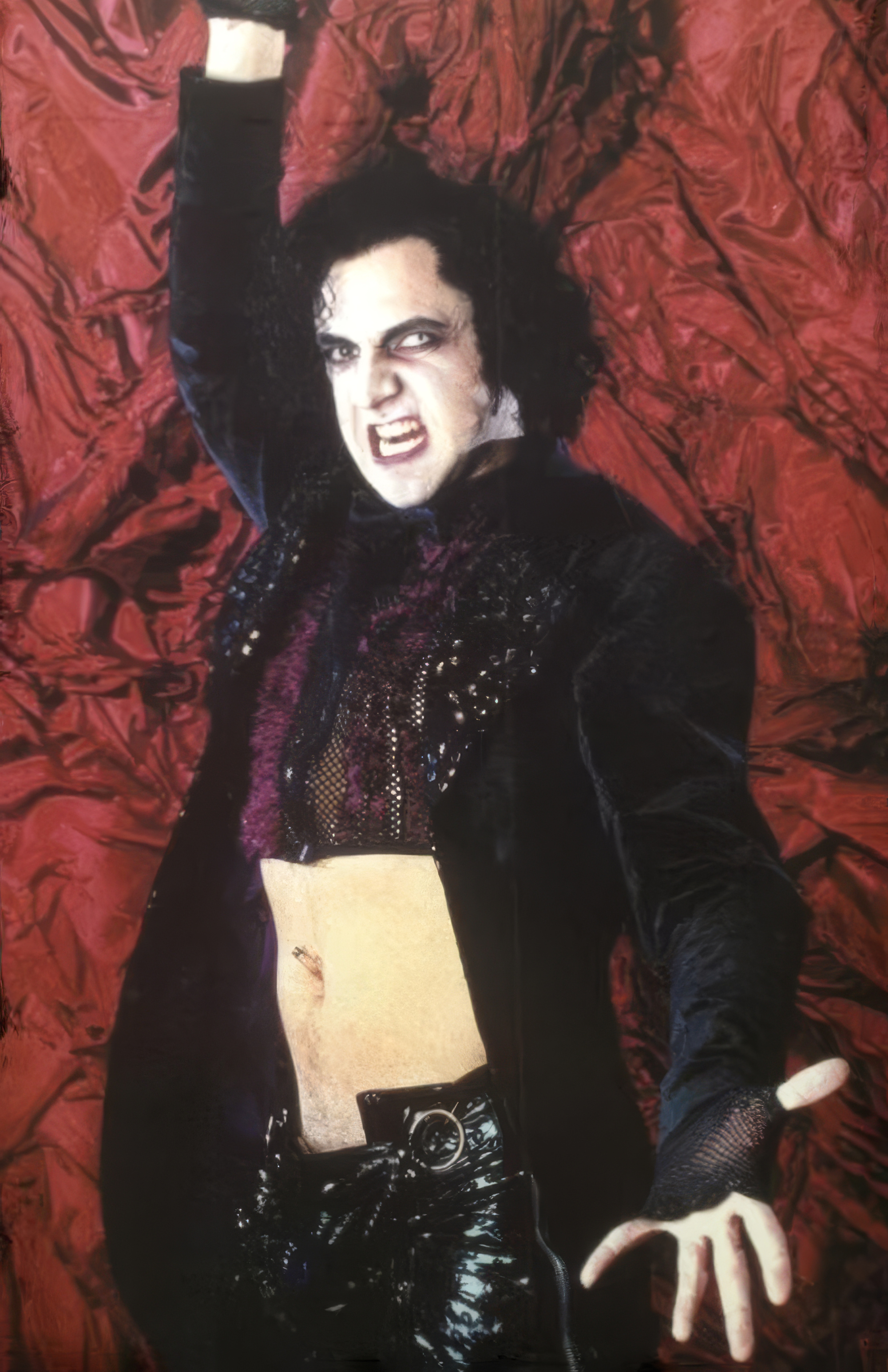
Esparza was a resident at the Ethel Barrymore Theatre thrice, beginning with John Doyle’s Company. Playing Bobby deepened Esparza’s relationship with Sondheim and produced a performance preserved for public consumption. Returning to the building brings those memories rushing back. “I'm actually surprisingly very emotional standing here. This is a very significant theater for me,” he says. Doyle’s process included rehearsing the show with Esparza alone in the room, hearing the other actors without seeing them. Revisiting the theater also brings back the friend behind the legend. “When people ask me about him, I think the thing I miss the most about him is his laugh,” Esparza shares. “I could pick that laugh out of 1,000 people.”
Also at the Barrymore, Speed-the-Plow supplied an exciting chaos. When Jeremy Piven left the production, Norbert Leo Butz stepped in before William H. Macy joined the cast. Esparza remembers Butz learning the play in installments before an audience. “He came in and saved our asses,” Esparza says of the two-time Tony winner. Between rehearsals, the enormous dressing room became a gathering place for Rock Band and pizza parties. Mamet’s dialogue supplied its own entertainment for the cast. “Those lines are so delicious. They just rattle out of you. It's like doing jazz. It's a musical.”
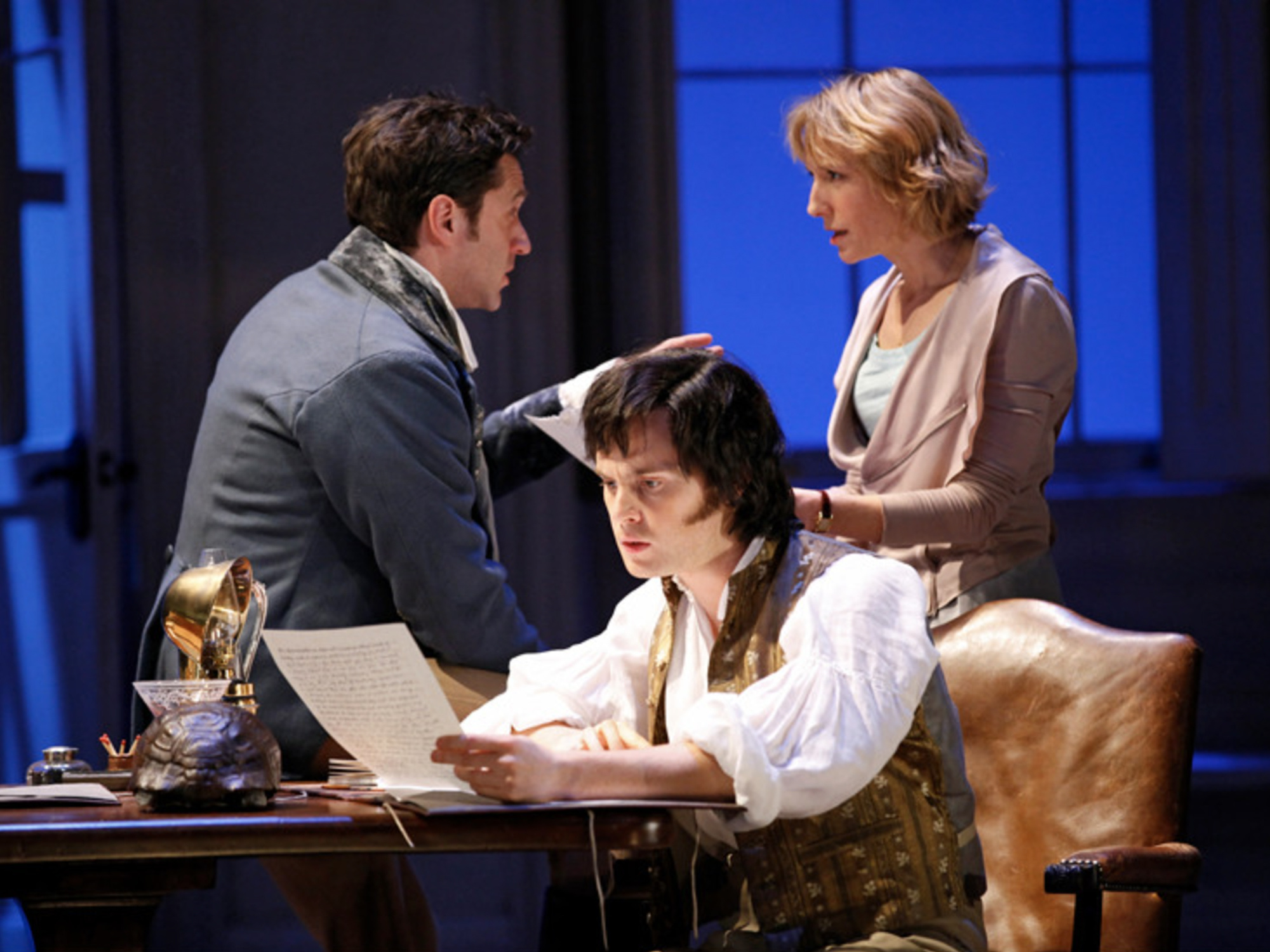
The same theater also housed Tom Stoppard’s Arcadia, with Esparza as Valentine. He had previously performed the work in the role of Septimus. “Arcadia is probably my favorite play I've ever done,” he says. This time, the opportunity to work with its author was irresistible. “I took that show just to be in a room with Tom Stoppard.”
(Photo: Carol Rosegg)
Before the James Earl Jones Theatre was renamed, Esparza knew it as the Cort, with sunny memories casting a shadow over the dark material he performed during his time there. Playing Lenny in Pinter’s The Homecoming under Daniel Sullivan’s direction brought another Tony nomination and a beloved ensemble. “This is the site of the single happiest professional experience I've ever had,” Esparza says. The cast’s offstage routine offered a contrast to their onstage menace, as they would “play psychopaths all night and then we would go out and party and we were up until four in the morning.”
(Photo by Sergio Villarini for Broadway.com)
The St. James Theatre made way for a challenging professional experience with Leap of Faith, but ended with an unexpected payoff. After spending years developing the Alan Menken musical, Esparza felt the weight of its brief Broadway run. “My face was everywhere. My name over the title and you feel so responsible,” he says. Yet the show connected him with writer Warren Leight, opening the door to Law & Order and a television career. He maintains that the musical could use another chance. “I think it deserves a revision and a revisit.”
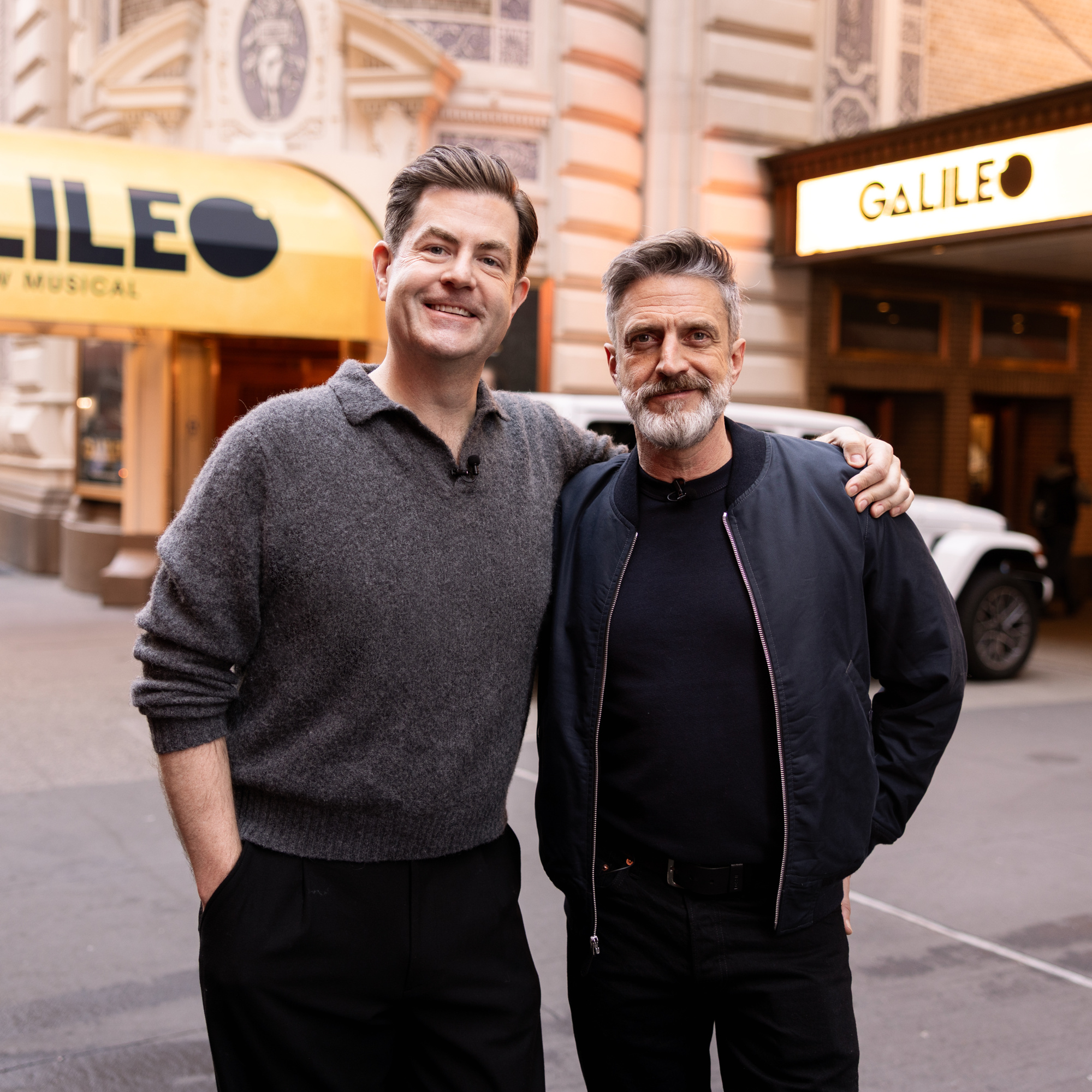
Esparza once lived in an apartment near the Shubert Theatre with an air mattress and dreams of a Broadway job. Now his face adorns the theater for Galileo, a project he has developed for almost seven years. Zoe Sarnak and Michael Weiner’s music has him energized, calling their score “banger after banger after banger.” Director Michael Mayer was his college acting teacher, adding another connection between past and present.
For Esparza, returning means contributing to an art form that audiences and actors create together every night. “It's exciting to create new work and to be home,” he says. After revisiting the places and people that helped shape him, gratitude comes easily. “It's really, really moving to get to take a moment to acknowledge I was here, and it mattered I was here, and I want to say thank you.”
Get tickets to Galileo!